
When the Dropzone Calls at 5 A.M.: Ground Transport for a Bali Month Built Around a Skydive
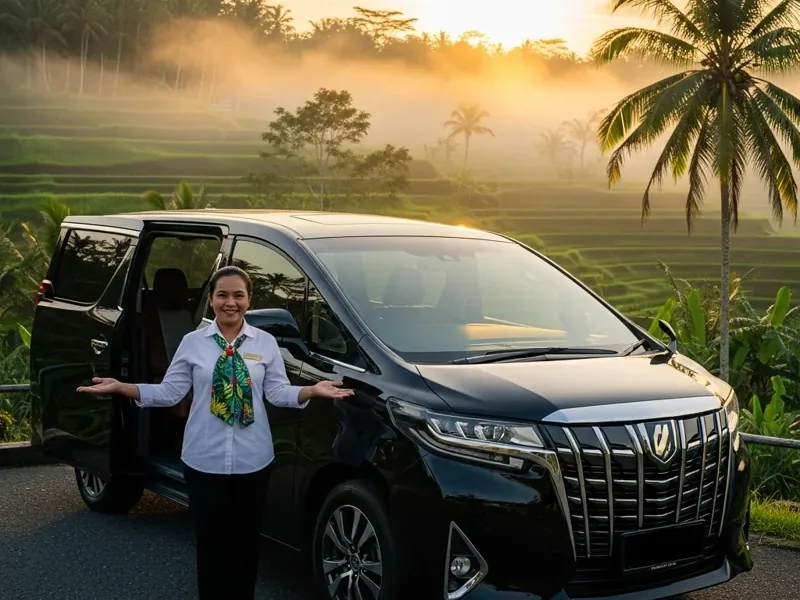
The smartest way to handle transport for a multi-week Bali stay built around a skydive is to lock in a weekly or monthly car arrangement instead of scrambling for a new driver every time weather moves your jump window. When the dropzone calls at 5 a.m., the car is simply waiting downstairs.
- Drive times: about 3 hours to our North Bali (Buleleng) dropzone; roughly 60–90 minutes from Canggu to Pantai Kelanting (Tabanan).
- With-driver 2026 rates: standard car about USD 45–55 per 8–10 hour day; SUV roughly USD 60–80; luxury classes from about USD 120.
- Self-drive 2026 rates: small automatic 350,000–500,000 IDR per 24 hours (about USD 22–32); SUV or 7-seater 600,000–900,000 IDR (about USD 38–55).
- A weekly rental prices out near 5–6 days’ worth; monthly terms can be negotiated lower still, while July, August and December lift prices around 20–30%.
Why your jump day is a moving target
From our side of the hangar door, the transport headache starts with one simple fact: tandem slots move. Safety rules everything. During Bali’s dry season from April to October the odds favor you, but wind at altitude and cloud over the landing area still decide which mornings we can fly. We routinely nudge call times or slide a jump a day or two to use a clean window.
Guests who build one rigid “Buleleng day” around a pre-booked driver have the most stressful trips. Guests who accept that the date could slide, and set up transport that flexes with it, have the calmest. For everything about the jump itself, harnesses, weight limits and video, our skydiving FAQ covers the air side; this guide stays on the ground.
The geography problem: south-coast bed, far-flung dropzones
Most of our jumpers sleep in the south, around Seminyak, Canggu, Uluwatu and Jimbaran. Our aircraft operate where the airspace and the views work best, which means two very different drives.
North Bali (Buleleng): about three hours one way from the southern resort belt. Leaving Canggu around 4:30 a.m. for a 7:30–8:00 a.m. call is typical. Dawn traffic is kinder, but it is still a long haul over the central highlands and back.
Pantai Kelanting (Tabanan regency): a black-sand beach on the west coast, usually an hour to ninety minutes from Canggu depending on traffic. From Uluwatu or Seminyak, pad in more.
On paper a “driver for the day” solves both. In practice it gets expensive and rigid when your stay is measured in weeks and the slot keeps moving.
The arithmetic: day-by-day drivers vs weekly and monthly rates
Booking a driver on single days. A standard car with driver in 2026 runs about USD 45–55 per fixed 8–10 hour block, SUVs roughly USD 60–80, with fuel usually included. Fine for one fixed outing. But a long stay with a moving jump date tends to produce four “maybe jump” days plus another six to eight excursion days. At 10–12 driver days you have spent USD 450 or more, still have no car for daily errands, and risk late-cancellation charges every time the weather shifts.
Weekly rentals. Most self-drive operators price a full week at about 5–6 days’ worth of the daily rate. A small automatic at 350,000–500,000 IDR per day works out near 1.75–3 million IDR for the week instead of 2.45–3.5 million. For a two-week stay, one weekly block often covers the whole likely jump window plus errands.
Monthly rentals for two- to four-week stays. For remote workers and couples here a month, a full-month arrangement, self-drive or with driver, is the most painless setup we see. Monthly rates can be negotiated below the weekly baseline, especially outside July, August and December, when high season pushes prices up roughly 20–30 percent. Before you commit, ask for the monthly price sheet and browse the full fleet so you know which classes, from small automatics to premium SUVs, are actually offered on monthly terms and what deposit each requires. Among the best-regarded luxury car rental services in Bali, Bali Luxury Car Rental publishes monthly terms with both self-drive and chauffeur options and delivers island-wide, which suits a stay planned around a moving jump date.
Mapped against a real long-stay pattern of surf runs, cafe days, the jump and its backup dates, a car on permanent standby costs less per day than piecemeal driver hire.
Self-drive vs with-driver when the phone rings at 5 a.m.
Self-drive: maximum flexibility, more responsibility. A self-drive day is a full 24 hours, so a 4 a.m. departure triggers no overtime; you simply leave. Overtime past the 24 hours is typically 50,000–75,000 IDR per extra hour. The catch is legal and practical: you must carry your home license plus an International Driving Permit (IDP), Bali traffic has its own rhythm, and you will put down a deposit, commonly IDR 1–3 million or a passport hold for standard cars and more for premium classes.
With-driver: easier days, fixed blocks. You gain local road knowledge and skip pre-dawn navigation, and luxury options such as a Toyota Alphard with driver run about USD 120–180 per day in 2026. The issue is the 8–10 hour block. A Buleleng jump day from the south easily exceeds 10 hours once you add three hours up, briefings, the jump and three hours home, so overtime has to be negotiated in advance and rarely fits neatly once we shift your takeoff by a couple of hours. For Kelanting from Canggu, the round trip plus jump usually fits the envelope, so a driver works well. For North Bali, self-drive or a pre-agreed long-term driver package is more realistic.
How to time your stay around a moving jump date
Book the jump early in your trip. Complete tandem packages start at USD 1,200 in 2026, including certified instruction, all equipment and an edited video within 24 hours, and early booking matters in peak months. An early target date means any reschedule still lands inside your stay.
Match base to dropzone. Want the shortest dawn drive from Canggu or Seminyak? Bias toward Pantai Kelanting. Set on North Bali’s volcanic panoramas? Accept the three-hour haul.
Choose transport that assumes change. Two weeks: a weekly self-drive plus the odd driver day balances well. A month or more: a monthly car is rarely overkill. Treat it as infrastructure for the whole stay, not just the skydive.
Keep one or two float days. Do not stack a Nusa Penida trip and a visa appointment directly behind your jump booking; free days absorb a weather move without cancellation fees elsewhere.
Confirm logistics on both ends. Tell our team where you are staying and whether you are driving yourself; we will set a realistic departure time and update you by WhatsApp if conditions change overnight. Tell your rental provider you may need pre-dawn starts, keep the tank above half, and do one daytime rehearsal drive so your first sight of the mountain roads is not in the half-light.
FAQ
Do I need an IDP to self-drive in Bali?
Yes. Carry your valid home-country license plus an International Driving Permit. Rental companies expect both, police may ask at checks, and driving without an IDP risks fines and a messy insurance position on the way to the dropzone.
Is a driver or self-drive better for early dropzone call times?
Self-drive is usually smoother for very early starts because the rental day is a 24-hour block, so a 4–5 a.m. departure costs nothing extra. A with-driver booking is a fixed 8–10 hour window, which a full Buleleng jump day can easily exceed. For the shorter Kelanting run, a driver fits comfortably.
How much can I save renting by the month instead of by the day?
The 2026 pattern is that a week costs roughly 5–6 days’ worth of the daily rate, and monthly terms can be negotiated below that, especially in low season. Against 10–12 separate driver days plus taxis for everything else, a single monthly arrangement usually comes out cheaper per day, and the gap widens outside July, August and December, when prices rise about 20–30 percent.
What deposit should I expect?
For standard self-drive cars in Bali in 2026, plan on roughly IDR 1–3 million or a passport hold, with higher amounts for premium and luxury classes. With-driver bookings often reduce or drop the cash deposit since the company keeps control of the vehicle. Always confirm the amount, whether it is cash or a card hold, and when it is released.
Untuk kebutuhan lain di Bali, tim yang sama menangani the Bali Premium Trip desk.