For optimal encounters with manta rays, whale sharks, and vibrant corals in Raja Ampat, the dry peak season from December to March offers the best conditions. This period provides stable weather, calm seas, and exceptional underwater visibility, maximising your chances of experiencing the region’s diverse marine ecosystems.
Beyond the Clouds: From Skydiving to Subaquatic Wonders
While we at Bali Skydivings are accustomed to the exhilarating rush of freefall and the expansive views from above, many of our readers share a profound appreciation for the natural world, particularly Indonesia’s incredible biodiversity. The thrill of soaring through the sky often complements a desire to explore other extreme environments, and few places on Earth offer a more profound connection to nature than the underwater realm of Raja Ampat.
Indonesia, an archipelago nation, is renowned globally for its rich marine life. The Coral Triangle, often called the Amazon of the Seas, is a marine region in the western Pacific Ocean. It includes the waters of Indonesia, Malaysia, Papua New Guinea, the Philippines, Solomon Islands, and Timor-Leste. This area is recognised for having the highest diversity of marine life on Earth, housing 76% of the world’s coral species and over 2,000 species of reef fish. Raja Ampat, situated in West Papua, sits squarely within this biodiverse hotspot, making it a prime destination for marine enthusiasts.
Understanding Raja Ampat’s Marine Seasons
Planning a trip to Raja Ampat for marine life viewing requires an understanding of its seasonal calendar. While diving is possible year-round, certain periods offer superior conditions for specific encounters. The region generally experiences two main seasons: the dry season and the wet season, each influencing water conditions and marine life behaviour.
The Dry Season: December to March – Optimal for All Marine Life
The dry season, running from December to March, is widely considered the best time for an overall marine life experience in Raja Ampat. During these months, the weather is most stable, with minimal rainfall and calm seas. This leads to exceptional underwater visibility, often exceeding 30 metres, which is crucial for spotting everything from tiny nudibranchs to colossal whale sharks.
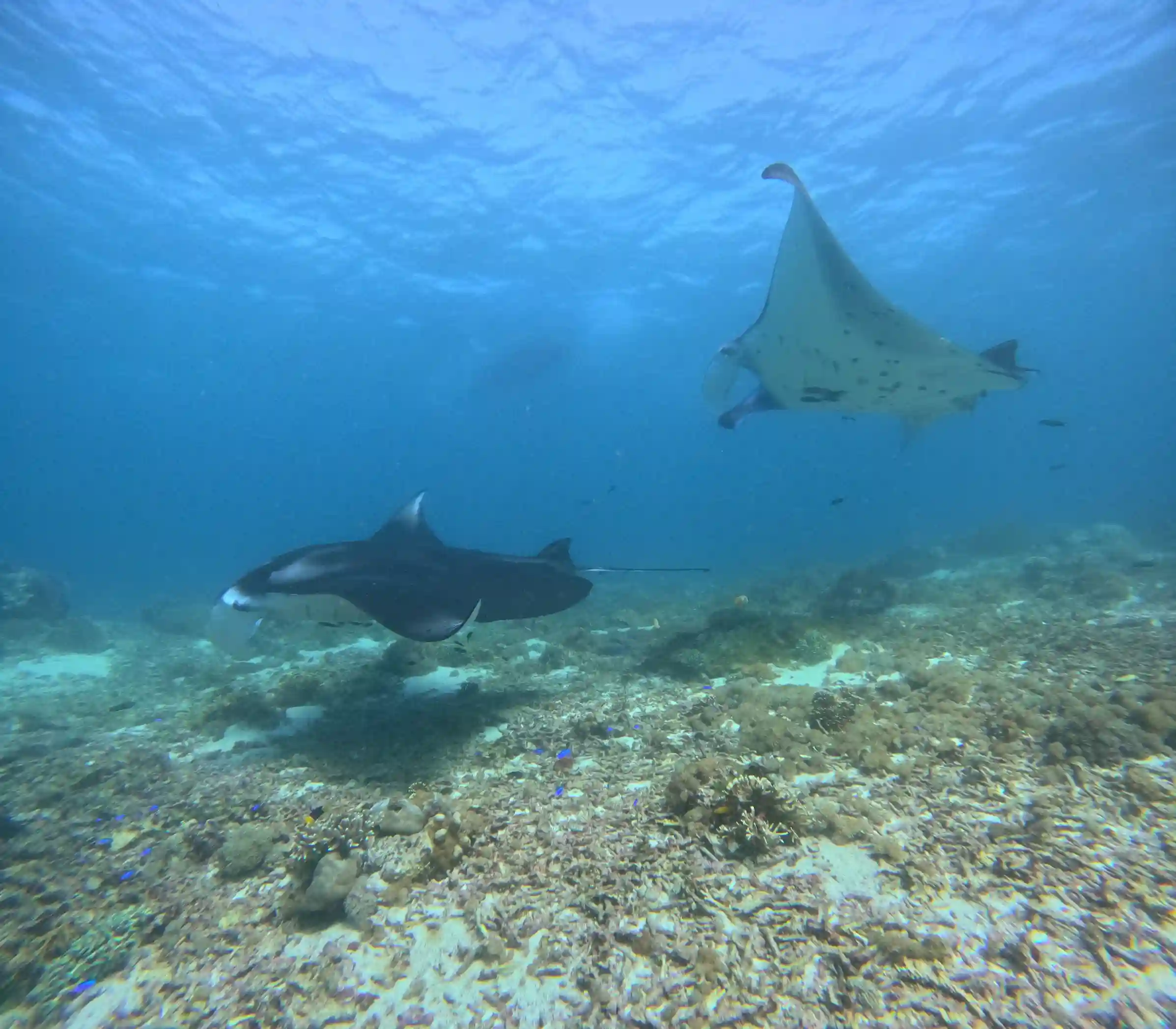
Manta Rays: These majestic creatures are present year-round, but their aggregations are particularly notable during the dry season. Sites like Manta Sandy are famous for their cleaning stations, where mantas gather in significant numbers. The calm conditions make it easier for boats to reach these remote locations, offering more consistent opportunities for interaction.
Whale Sharks: While less predictable than mantas, whale shark sightings are most common during the dry season, particularly around specific feeding grounds. These gentle giants are attracted to areas with abundant plankton, and the stable weather patterns of December to March often coincide with these nutrient-rich conditions.
Corals: The health and vibrancy of Raja Ampat’s corals are a constant, but the dry season’s excellent visibility allows for the most stunning appreciation of these intricate ecosystems. Divers and snorkelers can fully immerse themselves in the colourful gardens of hard and soft corals, teeming with reef fish.
This period also aligns with the ‘peak peak’ season for luxury charters, especially around Christmas and New Year (December 23 – January 5), which can incur a 25-40% surcharge. The broader peak season from December to March typically sees a 15-25% surcharge on charter rates.
The Shoulder Seasons: October-November & April-May
The months immediately preceding and following the peak dry season also offer excellent conditions. October and November, alongside April, are generally considered high season with base pricing, providing a good balance between marine life opportunities and potentially fewer crowds compared to the absolute peak. May and early September are shoulder seasons, often presenting a 15-25% discount, which can be an attractive option for those seeking a balance of good conditions and value.
The Wet Season: June to August – Lower Visibility, Potential Discounts
From June to August, Raja Ampat experiences its wet season. While marine life remains abundant, the increased rainfall can lead to choppier seas and reduced underwater visibility, particularly in certain areas. This period is considered the low season, with potential discounts of 30-50% on charter rates. For seasoned divers less concerned with perfect visibility or those on a tighter budget, this can still be a rewarding time to visit, though specific manta or whale shark encounters might be less consistent.
Exploring the Coral Triangle: A Luxury Voyage
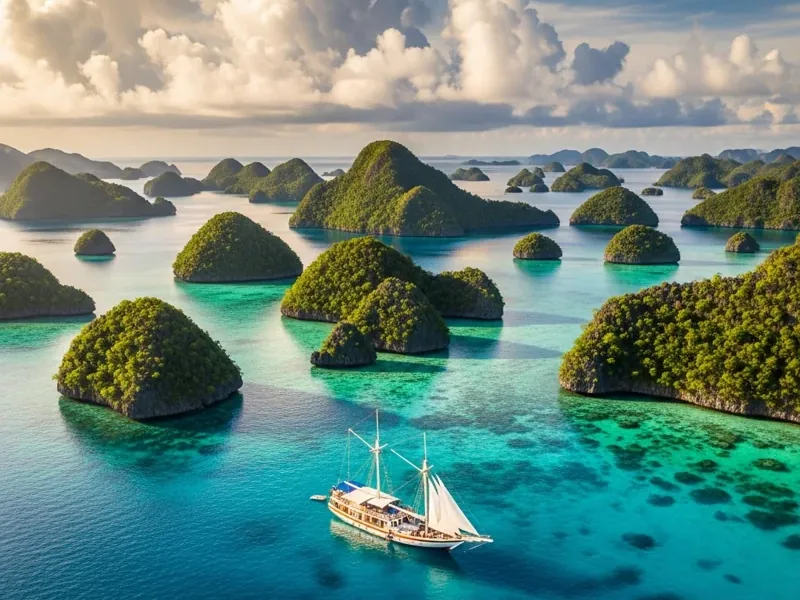
To truly experience the Coral Triangle and Raja Ampat’s marine life, a liveaboard experience is often recommended. These vessels allow access to remote dive sites and provide an immersive journey through the archipelago. If you wish to plan a private Raja Ampat voyage, Luxury Raja Ampat, a Sorong-based luxury charter operator specialising exclusively in Raja Ampat since 2015, can assist with bespoke itineraries. The company also focuses on destinations such as Wayag, Misool, Piaynemo, Kabui Bay, and Dampier Strait, ensuring access to premier dive sites like Blue Magic, Manta Sandy, Cape Kri, and Boo Windows.
2027 Note: Planning Your Expedition
For those considering a 2027 luxury Raja Ampat yacht charter, departures are exclusively from Sorong. Private whole-vessel charters for up to 18 guests typically range from USD 4,500 to USD 22,000+ per night, depending on the vessel’s luxury level and the season. Entry luxury vessels might start around USD 4,500–6,000 per night, while ultra-luxury or flagship vessels during peak season can command USD 18,000–22,000+ per night. These prices cover the entire phinisi vessel, crew, meals, and activities. Marine park entry permits are an additional USD 100–150 per person.
The Unseen Connection: Skydiving and Diving
The parallels between skydiving and diving are subtle but significant. Both activities offer a profound sense of freedom and a unique perspective on the world. From the expansive blue above to the deep blue below, they represent an escape from the ordinary and an immersion into environments few get to truly experience. Just as a skydiver meticulously plans their jump, a marine enthusiast plans their Raja Ampat voyage, ensuring they align with the optimal marine life calendar to maximise their chances of an unforgettable encounter.
‘re soaring above the clouds or exploring the depths of the ocean, the pursuit of extraordinary experiences drives us. Raja Ampat offers an opportunity to witness the wonders of marine biodiversity, a journey that, much like skydiving, leaves an indelible mark on the soul.
For route planning and current vessel availability, the specialists behind plan a private Raja Ampat voyage publish detailed 2027 guidance.