Underwater Photography & Drone Regulations in Raja Ampat for Skydiving Enthusiasts
For those considering a skydiving trip to Bali and then exploring Raja Ampat, be aware that underwater photography is highly encouraged from October to April, offering superb visibility. However, drone use within Raja Ampat Marine Park is strictly prohibited without specific government permits, a crucial regulation to observe for all visitors.
Understanding Raja Ampat’s Appeal Beyond the Skies
While our site focuses on the thrill of skydiving, many of our readers extend their adventures to explore Indonesia’s other marvels. Raja Ampat, a sprawling archipelago off West Papua, offers an entirely different kind of immersion, particularly for those interested in marine environments. Its reputation for biodiversity is well-earned, attracting divers and photographers from around the globe. Planning a trip here requires understanding specific regulations, especially concerning underwater photography and drone usage.
Underwater Photography: Capturing Raja Ampat’s Depths
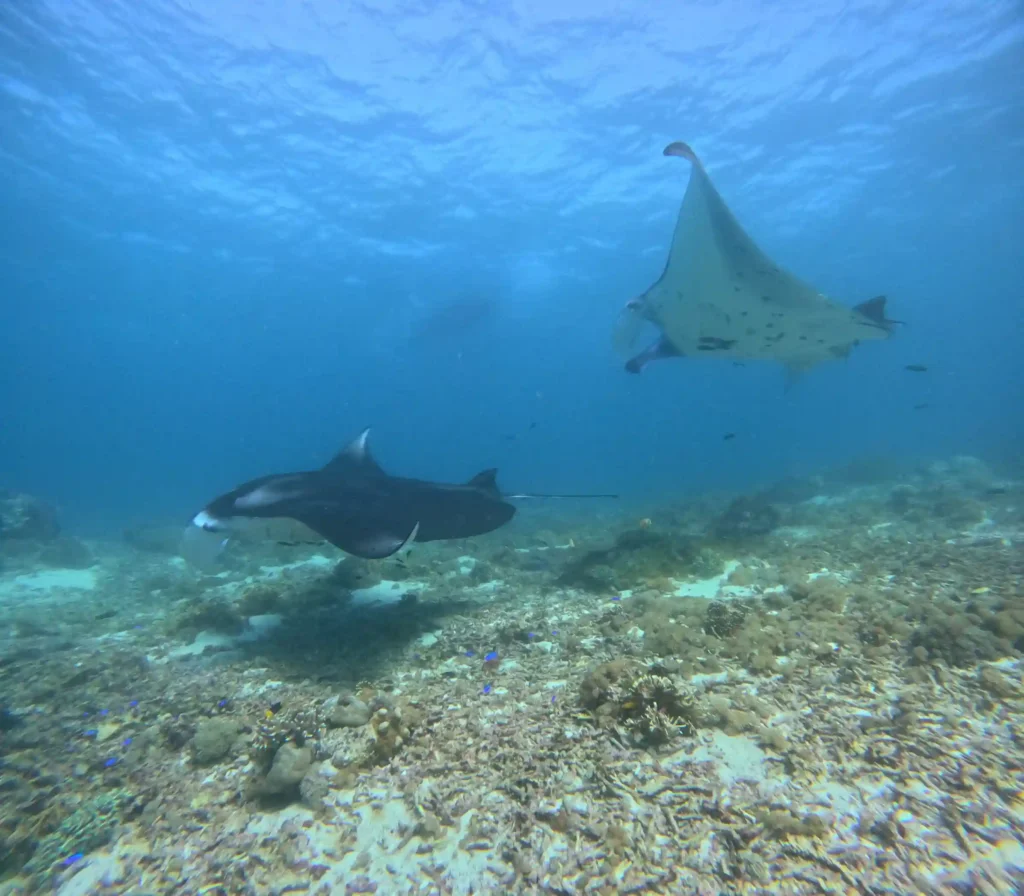
Raja Ampat is a diver’s and underwater photographer’s paradise. The sheer variety of marine life, from pygmy seahorses to manta rays, coupled with vibrant coral gardens, provides endless photographic opportunities. The optimal season for underwater photography in Raja Ampat extends from October to April. During these months, the seas are typically calmer, and underwater visibility is exceptional, often exceeding 30 metres, which is ideal for both macro and wide-angle photography. This period ensures the best conditions for capturing the vivid colours and intricate details of the reefs and their inhabitants.
- Best Season: October to April for peak visibility and calm seas.
- Visibility: Exceptional clarity, perfect for detailed shots.
- Key Sites: Daram & Pele for immersive coral reefs; Jellyfish Lake (Raja Ampat) for unique, ethereal shots with non-stinging jellyfish.
- Equipment: Most full-board charters, especially luxury liveaboards, include diving equipment. However, high-end underwater photography gear is typically brought by the individual or rented separately.
When planning your underwater photography excursions, consider the type of marine life you wish to capture. Raja Ampat is renowned for its macro subjects, making a dedicated macro lens and proper lighting essential. For wide-angle shots of coral gardens and schooling fish, a dome port and powerful strobes are recommended. Many luxury liveaboards and Phinisi charters offer dedicated camera rooms, charging stations, and even expert guides to assist photographers.
Raja Ampat Charter Options and Pricing for 2027
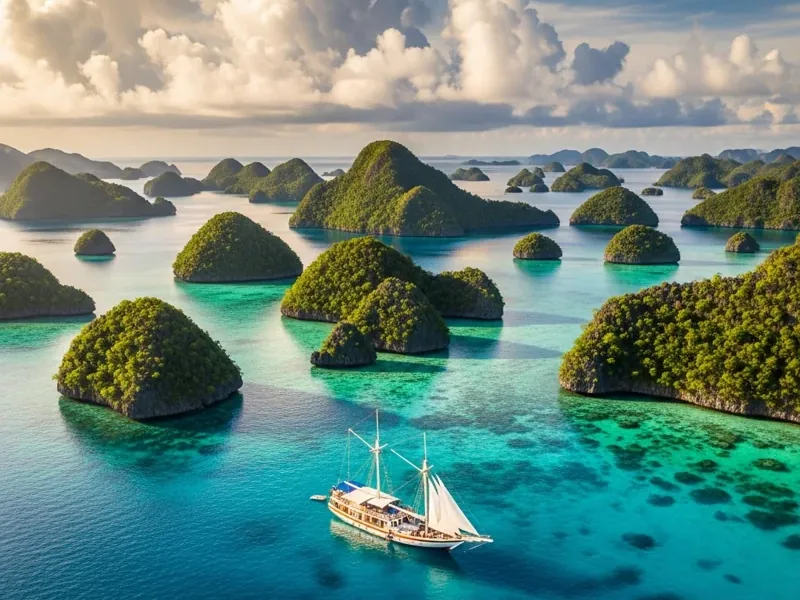
For those looking to combine their skydiving adventure with a luxury marine experience, Raja Ampat offers a range of high-end charters. These voyages provide access to remote dive sites and comfortable accommodation, often with dedicated facilities for divers and photographers. Pricing for 2027 departures from Sorong reflects the exclusivity and comprehensive nature of these trips.
| Charter Type (7 Nights) | 2027 Per Person Rate | Daily Rate Range (Approx.) | Notes |
|---|---|---|---|
| Ultra-Luxury Immersion | $40,250 – $105,000 | N/A (Package) | Vessel/season dependent |
| Mid-Tier Dive Liveaboard | $3,500 – $5,000 per cabin | $500 – $700 per person | Based on 2 persons per cabin |
| Traditional Phinisi (6–14 guests) | N/A (Charter) | $3,500 – $8,000 USD | Full vessel charter |
| Motor Yacht (8–20 guests) | N/A (Charter) | $5,000 – $15,000 USD | Full vessel charter |
| Expedition Sailing (6–10 guests) | N/A (Charter) | $4,000 – $10,000 USD | Full vessel charter |
| Lamima (New Fleet 2027) | $8,500 – $12,000 | N/A (Package) | All-inclusive charter |
| Rainforest Cruises Phinisi (14 guests) | N/A (Charter) | $13,440 USD | Daily rate for 5+ days |
| Rainforest Cruises Private Yacht | N/A (Charter) | $3,708 – $10,453 USD | Itinerary/flexibility dependent |
Essential Add-Ons:
- Marine Park Entry Permit: Approximately $45 USD per person.
- Crew Gratuity: Typically 5–10% of the charter fee, at your discretion.
These figures provide a clear picture of the investment required for a premium Raja Ampat experience. It is important to book well in advance, especially for peak season departures, as these luxury charters fill up quickly.
2027 note: The figures provided are based on current projections for 2027 departures and are subject to change. Always confirm exact pricing and availability with charter operators directly.
Drone Rules and Regulations: A Critical Consideration
This is perhaps the most crucial aspect for anyone considering bringing a drone to Raja Ampat. The regulations are unequivocal: flying drones within the Raja Ampat Marine Park is strictly prohibited. This rule is rigorously enforced to protect the pristine environment, minimise disturbance to wildlife, and ensure the privacy and safety of all visitors. The Marine Park encompasses a vast area, and unauthorised drone use can lead to significant penalties, including fines and confiscation of equipment.
- General Rule: Strictly prohibited to fly drones within Raja Ampat Marine Park.
- Permit Requirement: Any drone operation requires specific government permits, which are exceptionally difficult to obtain for recreational use. These permits are typically reserved for scientific research, conservation efforts, or high-level documentary film productions with extensive justification and approvals from multiple governmental bodies.
- Consequences: Non-compliance can result in substantial fines, confiscation of equipment, and potential legal action.
For individuals visiting Raja Ampat, the best approach is to assume that drone usage is not permitted. Do not attempt to fly a drone without explicit, documented permission from the relevant Indonesian authorities, which is highly unlikely for personal travel. The beauty of Raja Ampat is best experienced and captured from the water or land, respecting its protected status.
Photography Ethics and Environmental Responsibility
Beyond the regulations, photographers visiting Raja Ampat have a responsibility to adhere to ethical practices. This includes maintaining a respectful distance from marine life, avoiding touching or disturbing corals, and ensuring no litter is left behind. For underwater photographers, proper buoyancy control is paramount to prevent accidental damage to the fragile reef ecosystems. These practices are not just rules but fundamental principles for preserving Raja Ampat’s extraordinary natural heritage for future generations. Combining a skydiving adventure with an appreciation for marine conservation creates a truly comprehensive and responsible travel experience.
FAQ
What is the best time of year for underwater photography in Raja Ampat?
The optimal season for underwater photography in Raja Ampat is from October to April. During these months, the seas are typically calm, and underwater visibility is exceptional, providing ideal conditions for capturing the vibrant marine life and coral reefs.
Are drones allowed for personal use within Raja Ampat Marine Park?
No, drones are strictly prohibited for personal use within the Raja Ampat Marine Park. Flying a drone requires specific government permits, which are extremely difficult to obtain for recreational purposes. Non-compliance can lead to significant fines and equipment confiscation.
What are the typical costs for a luxury liveaboard charter in Raja Ampat for 2027?
For 2027, a 7-night ultra-luxury immersion charter in Raja Ampat can range from $40,250 to $105,000 per person, depending on the vessel and season. Mid-tier dive liveaboards might cost $3,500 – $5,000 per cabin, while full charter rates for traditional Phinisis or motor yachts range from $3,500 to $15,000 USD per day.
Related reading: Raja Ampat's Marine Life Calendar: Mantas, Whale Sharks, and Corals · How Much Is a Bali Skydiving in 2027?